Bitchat and MeshCore launched an integration to enable digital communications without the internet. This alliance connects smartphones to long-range LoRa radio networks. The tool guarantees the flow of information in areas with damaged infrastructure or under censorship. The announcement was made this January 18 by the developer and cryptoanarchist Juraj Bednar, Who would be in charge of this new integration?. The system works via a hybrid bridge based on ESP32 microcontrollers. These devices listen to Bluetooth signals from phones and convert them into LoRa radio packets. This process allows a message to jump from a cell phone to a network of repeaters that covers kilometers. The architecture uses a controlled flooding algorithm to retransmit data. Each node receives the message and propagates it to the next point in the mesh. This structure eliminates the need for central servers or internet providers to function.
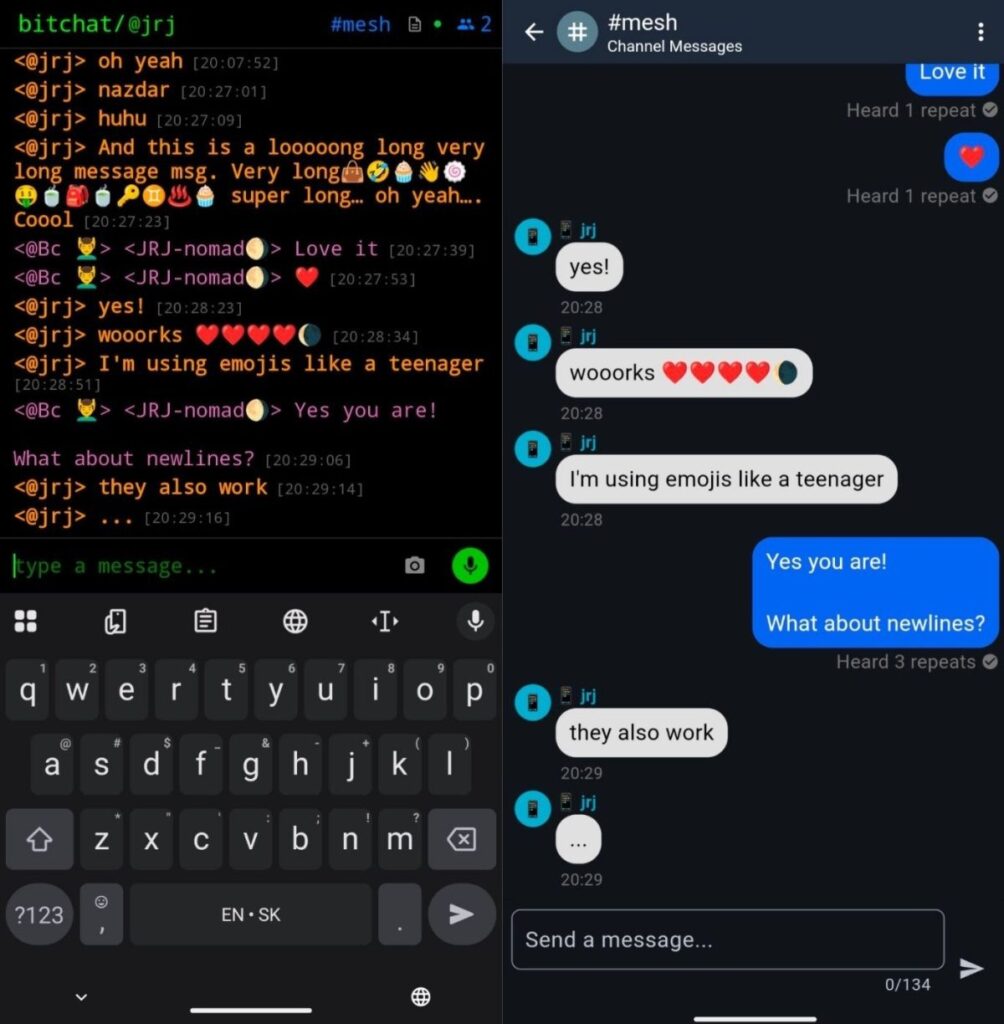 Image shared by Juraj Bednar, from the launch of Bitchat through Meshcore. Source: Juraj Bednar Blog. An important point to clarify is that Bitchat already allowed creating local mesh networks via Bluetooth. However, their physical range limited communication to short distances. A traditional Bluetooth antenna has an operating range of about 10 meters to 100 meters, depending on obstacles. The new function with MeshCore expands coverage massively by integrating with specialized radio devices such as the Heltec LoRa32 V3, specialized hardware that allows creating much larger mesh networks with greater coverage. One of these devices has a operating range from 500 meters to 2 kilometers. The additional advantage is that these devices are easy to acquire with a cost that does not exceed $20.
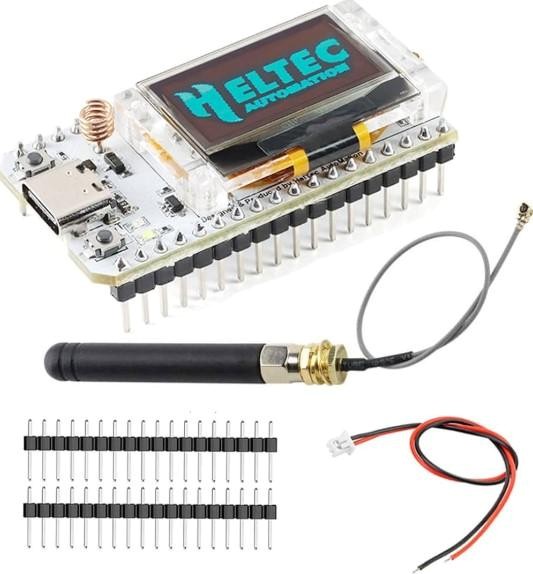 Heltec LoRa32 V3 devices. Source: heltec.org.
Infrastructure for freedom of expression
The necessary hardware is accessible and low cost for the common user. The equipment operates with small batteries or solar panels autonomously. This technological solution prioritizes resilience and the sovereignty of private communications. Lacking single points of failure, the network is almost impossible to shut down. Developers consider this infrastructure vital for citizen coordination in critical situations. The system acts as an escape route from computer blackouts or natural disasters. This nature has allowed it to serve as a tool in critical situations, such as the case of Iran, where the government has decided to turn off the entire internet connection, Bitchat being a tool in the fight against censorship, as reported by BitcoinDynamic. The integration uses the public channel “#mesh” for data exchange between platforms. The code is open and allows anyone assemble their own hotspot. Equipment such as Heltec or LilyGo already support this new technical functionality. The project responds to the global trend of state blockades of the network. In contexts of instability, authorities often cut off access to social networks. This mesh offers an alternative to sharing security alerts in real time. Currently, the system exclusively supports text messages to optimize bandwidth. Data travels from hop to hop between nodes until it reaches its final destination. This structure strengthens communication community without depending on corporate intermediaries.